
Why Your Website is Losing Traffic

The Silent Killer of Growth
You check your analytics and your heart sinks. The graph is pointing down. Traffic drops can happen slowly over time, or overnight. Diagnosing the issue is the first step to recovery. Before you panic and redo your entire marketing strategy, you need to understand the root causes of traffic bleed.
According to Search Engine Land, the vast majority of sudden traffic drops are related to technical SEO issues or major algorithm updates, rather than a sudden lack of interest in your product or service.
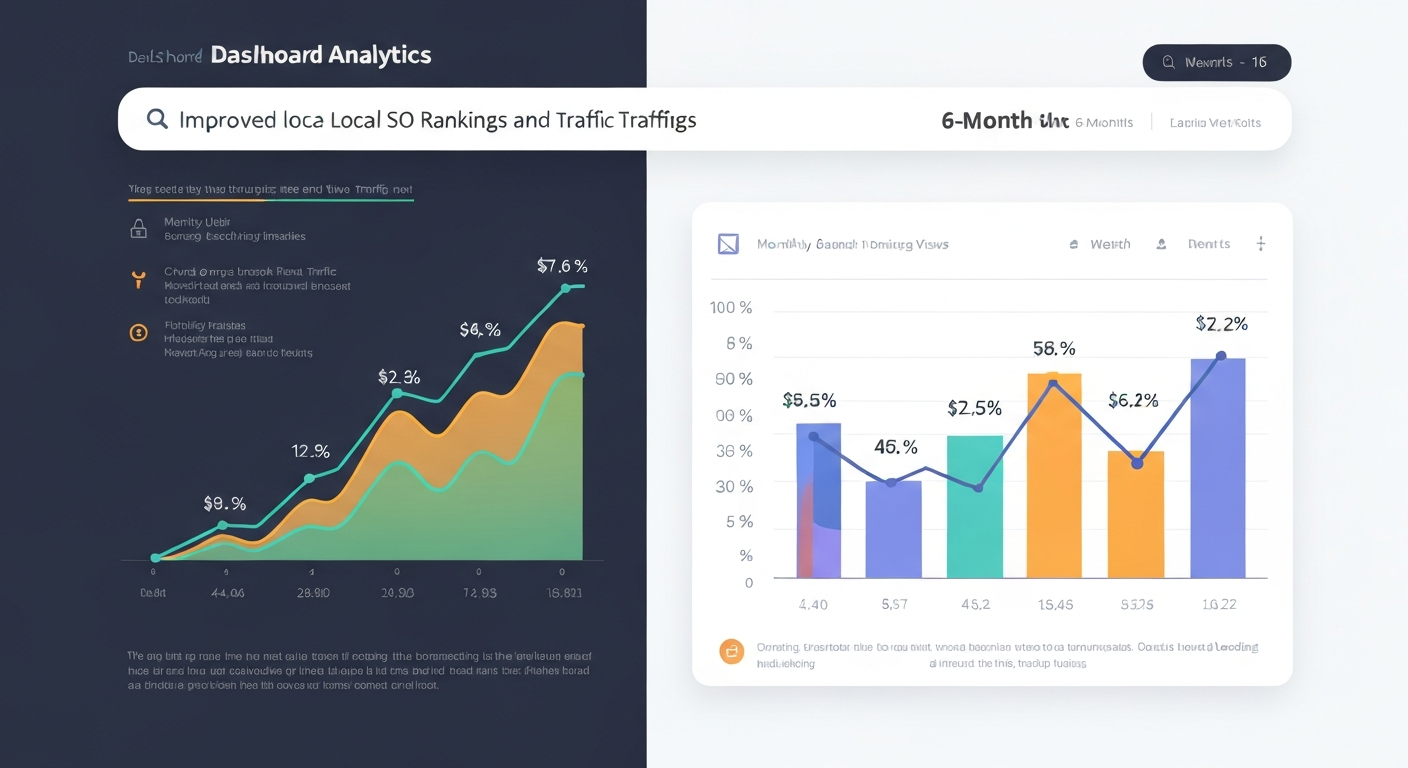
Consistent technical SEO audits and content updates lead to steady, predictable traffic growth.
Uncovering Technical Roadblocks
If search engines cannot crawl your site properly, you simply won't rank. Issues like broken links, missing sitemaps, or accidental 'noindex' tags can completely tank your visibility overnight. A routine technical audit is essential to catch these underlying problems before they cause major, lasting damage to your search presence. Regular crawling of your own site using tools like Screaming Frog or Ahrefs can identify these issues before Google does.
The Impact of Performance
As we discussed in Speed Kills, if your website takes too long to load, users will inevitably bounce. Search engines track this user behavior meticulously and will penalize your rankings if your site is consistently slow, prioritizing faster, more optimized competitors.
Google's Core Web Vitals update made it explicitly clear: user experience is a ranking factor. If your site shifts layout unexpectedly while loading, or if it takes too long to become interactive, you will lose traffic to competitors who have invested in performance optimization.
Combating Content Decay
Search algorithms love fresh, highly relevant content. If you haven't updated your blog or core pages in years, your competitors who are actively publishing will eventually overtake you. Content decay is a real and pervasive threat to long-term traffic, requiring a proactive strategy to refresh and expand your digital footprint continually.
Review your highest-performing pages from two years ago. Are they still generating the same traffic? Often, you'll find they are slowly losing ground. By updating these pages with new statistics, fresh insights, and expanded sections, you can signal to Google that the content is still highly relevant, often resulting in an immediate traffic rebound.
Algorithm Updates and Intent Shifts
Google updates its algorithm thousands of times a year. While most are minor, core updates can drastically shift the search landscape. Often, these updates reflect a shift in how Google understands user intent. If a user searches for "best CRM," do they want a list of options, or a guide on how to choose? If Google decides users want a list, and your page is a guide, your traffic will drop.
You must continually monitor the Search Engine Results Pages (SERPs) for your target keywords. If the type of content ranking on page one changes, your content must adapt to match that new intent.

Marcus Vance
Lead Strategist
Marcus has over a decade of experience helping local businesses scale through strategic web design and performance marketing. He specializes in creating digital experiences that drive real revenue.
Join the Conversation

This is exactly what we needed to hear. We've been struggling with our bounce rate and these tips are super actionable. Going to implement the hero section changes today!
Glad it was helpful, Sarah! Let me know how the hero section updates perform. Usually, just clarifying that H1 makes a world of difference.

Great read. One question though: how do you balance having enough content for SEO without making the page look cluttered?
Never Miss an Update
Get the latest strategies on web design, SEO, and local marketing delivered straight to your inbox.
